

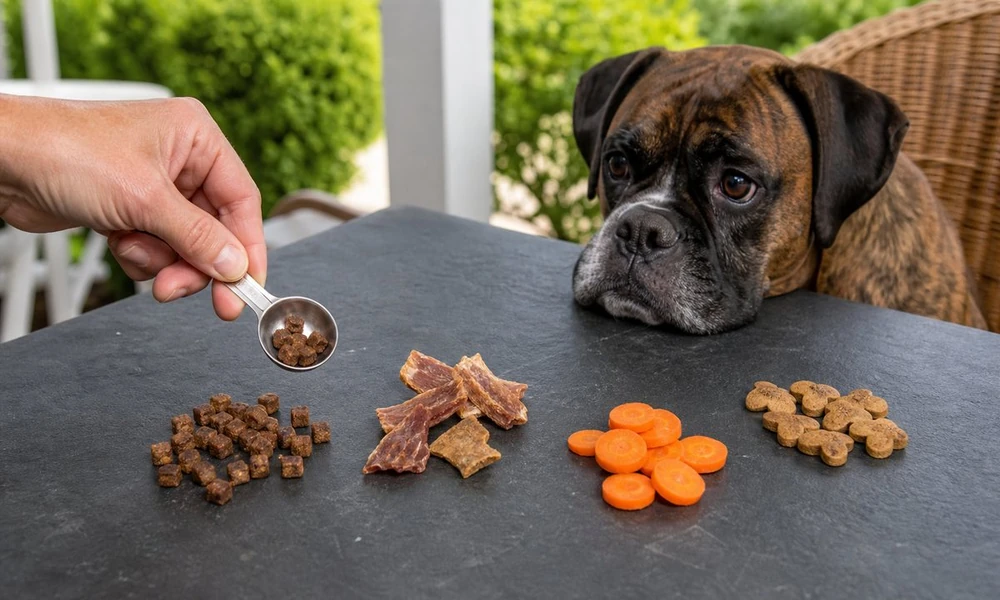
Crunchy dog treats occupy a specific niche in the treat ecosystem – they’re less immediately reinforcing than soft treats in training contexts, but they have durability, texture, and sometimes dental benefits that make them appropriate for different use cases. Understanding when crunchy treats make sense versus when to reach for something softer produces better outcomes.
What Crunchy Treats Are Good For
crunchy dog treats are better suited to calm reward moments – after a training session rather than during it, as a routine snack, or as a food-dispensing toy fill – than to the rapid repetition contexts where soft treats outperform them. The time it takes to consume a crunchy treat interrupts training flow in a way that’s impractical for high-repetition work.
Dental Considerations
The Veterinary Oral Health Council awards its seal to products that have demonstrated plaque and tartar reduction in controlled studies. Not all crunchy treats make meaningful dental claims, but some do – if dental health is a factor in your treat selection, the VOHC seal is the most reliable indicator that a dental claim has been tested rather than just asserted.
Ingredient Quality in Crunchy Treats
Crunchy treats often use grain-based binders to achieve their texture – wheat, corn, or rice flour. These aren’t problematic for most dogs, but they’re worth noting for dogs with known grain sensitivities or owners who prefer grain-free options. Grain-free crunchy treats exist but are less common and typically more expensive.
Storage and Freshness
Crunchy treats lose their texture when exposed to humidity – they soften and become unappetizing (to dogs) more quickly than they go rancid. Resealing the bag tightly or storing in an airtight container extends their texture and palatability significantly. Treats that have been open for several months and lost their crunch are less appealing and less effective as rewards.
