

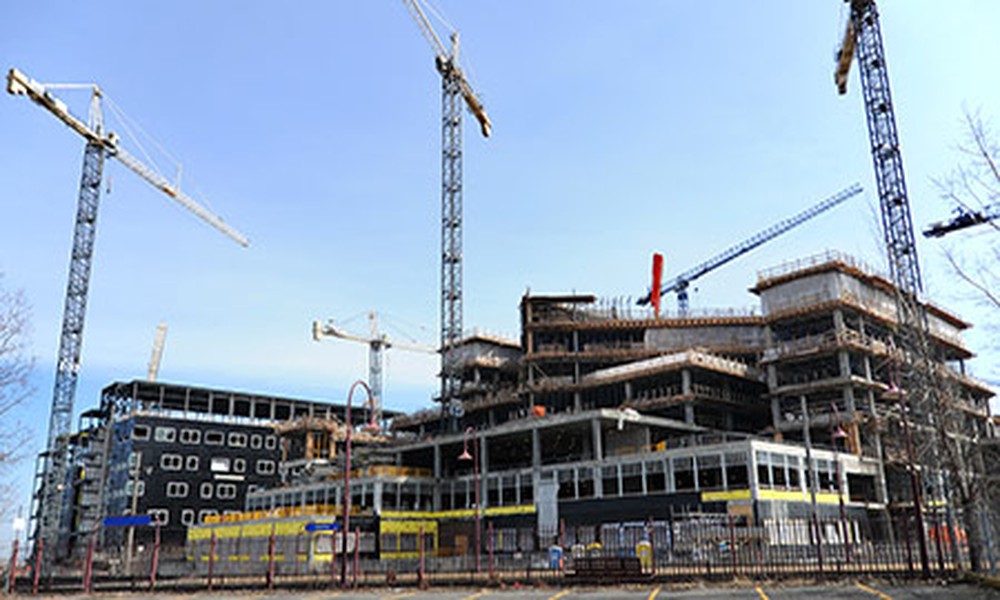
Medical facilities require far more than strong walls and attractive interiors. Every part of the structure must support patient care, staff efficiency, safety standards, and advanced medical systems. A hospital, clinic, or surgical center must function smoothly every hour of the day, which creates a unique set of construction demands.
Early project plans often focus on strict safety codes, future expansion options, and specialized equipment needs. Healthcare construction
also requires close coordination between architects, engineers, medical teams, and compliance experts , often with experienced firms such as mbcmusa.com. This article explains the major factors that separate medical facility projects from standard commercial construction and why careful planning matters at every stage.
Strict Regulations Shape Every Decision
Medical buildings must meet detailed health and safety regulations before project completion. Government agencies and healthcare authorities establish rules for ventilation, sanitation, electrical systems, emergency access, and fire protection. These standards protect patients, visitors, and medical staff.
Construction teams must follow precise documentation procedures throughout the project timeline. A small design error can lead to delays, extra expenses, or failed inspections. Careful coordination between contractors and regulatory professionals helps reduce these risks.
Patient privacy also affects facility design. Treatment rooms, consultation areas, and waiting sections require layouts that support confidentiality and comfort. Every design element must support medical operations while meeting legal standards.
Specialized Infrastructure Supports Patient Care
A medical facility depends on advanced infrastructure systems that standard buildings rarely require. Reliable performance remains essential because lives may depend on uninterrupted services.
Essential Systems Found in Medical Facilities
- Medical gas lines for oxygen and anesthesia delivery
- Backup power systems for critical equipment
- Advanced air filtration for infection control
- Specialized plumbing for laboratories and surgical suites
- Secure technology networks for patient records
These systems require expert installation and regular testing before facility approval. Construction schedules often include multiple inspection phases to confirm system reliability.
Infection Control Demands
Clean environments remain critical inside hospitals and treatment centers. Construction teams must reduce dust, moisture exposure, and airborne contaminants throughout the project process. Infection control measures begin long before patients enter the building.
Airflow design plays a major role in contamination prevention. Isolation rooms, surgical suites, and intensive care units depend on controlled ventilation systems that direct airflow safely. Surface materials also matter because certain finishes resist bacteria more effectively than standard materials.
Project managers often divide work zones carefully to protect active medical operations during renovation projects. Temporary barriers, negative air pressure systems, and controlled access points help maintain safe conditions.
Flexible Layouts Support Future Medical Needs
Medical technology changes rapidly, which means facilities must adapt over time. Designers often create flexible layouts that allow future equipment upgrades or department expansions without major structural changes.
Patient expectations also influence modern facility design. Comfortable waiting areas, natural lighting, and efficient navigation systems help improve the overall patient experience. Medical staff benefit from layouts that support faster movement between departments and easier access to equipment.
Healthcare constructionprojects frequently include modular planning concepts that simplify future updates. Adaptable spaces help organizations respond to changing treatment methods and new healthcare demands without large reconstruction efforts.
Medical facility construction requires a higher level of precision than standard commercial projects. Every decision must support patient safety, operational efficiency, and long-term adaptability. Careful planning helps create spaces that serve both healthcare professionals and patients effectively. Strong infrastructure, infection control measures, and flexible layouts all contribute to successful medical environments. Clear coordination between specialists also plays a major role throughout the project timeline. Thoughtful construction practices help medical facilities remain reliable, safe, and prepared for future healthcare demands.
