

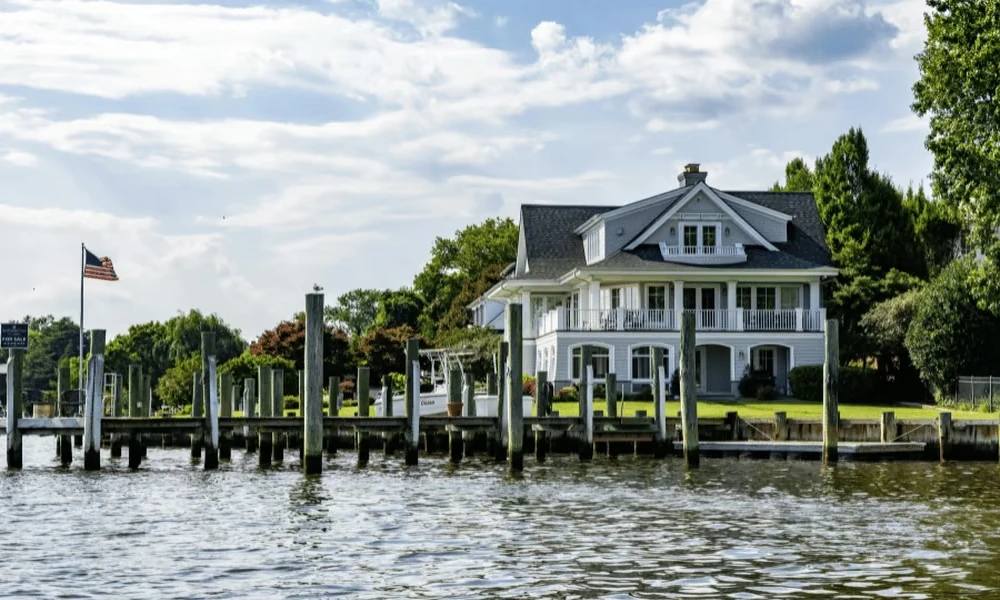
Most buyers start their lake search by typing a town name into a listing site. That is the wrong first move. Around Charlotte, the body of water matters more than the address, because two homes twenty minutes apart can sit on lakes with completely different shorelines, water levels, and rules about what you’re allowed to build. Get the lake right and the rest gets easier.
Here is what I mean. Catawba and Norman sit northwest of the city. Wylie sits southwest. Each one attracts a different kind of buyer, and each one restricts waterfront construction in its own way. If you want waterfront luxury homes near Charlotte, NC, start with the water, then narrow to the neighborhood, then pick the plan. Buyers who flip that order end up touring houses they were never going to buy.
Why the lake matters more than the listing
Lake Norman gets the attention. It’s the biggest body of water in the state and the one most out of town buyers already know by name. The tradeoff is congestion on summer weekends and a lot of older housing stock mixed in with new construction.
Lake Wylie is the quieter option. The shoreline runs across two states, and a fair amount of it still feels residential rather than resort. Mountain Island Lake is different again, because the land around it falls under stricter protection than the other two.
So before you fall in love with a floor plan, ask which side of the water you actually want. Morning sun on the dock, a short drive to a grocery store, a cove instead of open water: those are location decisions, and no builder can make them for you. Drive each lake at rush hour and again on a Saturday afternoon. It sounds excessive. It isn’t, because a cove that’s peaceful on a Tuesday can turn into a boat parade on a weekend, and you’ll want to know that before you commit to a lot.
How lakefront lots quietly price themselves
Two lots with identical acreage can sell a hundred thousand dollars apart. The difference is almost always the shoreline, not the land. Here’s what drives that gap:
- Water frontage and depth. Long frontage and deep water near the dock support bigger boats and better views.
- Slope. A gentle grade to the water keeps the walk down to the dock easy. A steep one can add retaining walls, stairs, and serious cost.
- Cove versus open water. Coves are calmer for swimming and mooring. Open water gives you the long view and more wind.
- Setback and buffer rules. Every jurisdiction handles shoreline buffers differently, and those rules decide how far your house can sit from the water.
The flood question is the one buyers skip. Roughly six in ten Americans live in a county that touches the coast, according to Census Bureau data on coastal county populations, but inland lakefront buyers face their own version of the same issue: floodplain maps, elevation certificates, and insurance quotes that can swing hard from one property to the next. Get the flood zone determination in writing before you make an offer. Not after.
Custom build or quick move in? A real decision
This one splits buyers cleanly.
If you already own a waterfront lot, or you’ve found one you can’t walk away from, a custom build makes sense. You get the layout you want, the finishes you want, and a house that fits the slope. You also sign up for a longer timeline and more decisions than most people expect. Window packages alone can eat a full afternoon.
If you’re relocating for work and need a place by a specific date, a completed home on an available lot is the smarter call. You can walk the rooms, see the view from the actual primary suite, and know what you’re getting before you sign.
I’d take the custom route if the lot is genuinely special. The good shoreline is the part you can’t change later, and no floor plan is worth settling for a mediocre view.
What waterfront diligence actually looks like
Do these in order. Skipping ahead is how people end up surprised at closing.
- Pull the flood zone determination and read the elevation certificate.
- Get an insurance quote before you remove any contingencies. Lakefront premiums are not like inland ones.
- Find out what the shoreline buffer rules allow. Some places limit clearing, docks, and even tree removal near the water.
- Ask about the dock permit separately from the building permit. They’re different approvals.
- Confirm the water depth at the dock location, not just somewhere along the property line.
- Check for any recorded easements along the shore.
Water quality belongs on this list too. EPA guidance on watershed protection explains why shoreline buffers exist and what they do for a lake over time, and it’s worth twenty minutes of your attention if you plan to swim off your own dock for the next fifteen years.
The home site visit order that saves money
When you tour a waterfront community, walk the site in this order and you’ll catch problems that photos hide.
- Stand at the water first. Look back at the lot and picture the house.
- Walk the grade from the shoreline up to the build pad.
- Find the neighbor’s dock and see how close it sits.
- Check where the afternoon sun lands in summer.
- Drive the route to the nearest grocery store and hospital.
That last step matters more than people admit. A gorgeous cove forty minutes from a full service hospital reads differently once you have kids or aging parents in the picture. USGS maintains long running water resource data on major lakes, and if you’re comparing two bodies of water, the record on each one is worth a look before you commit to a shoreline.
Questions buyers always ask last
How long does a custom waterfront build take? Longer than an inland build, usually. Shoreline permits and dock approvals add steps that have nothing to do with construction.
Can I buy the lot and build later? Often yes, but check whether the community has a build timeline requirement. Some do.
Do I need a separate dock builder? Sometimes. Ask early, because dock contractors book out.
What should I ask the builder? Who pulls the shoreline permits, who handles the dock, and what the standard inclusions actually cover. Those three answers tell you a lot about how the project will go.
Where this leaves you
Pick the lake before the lot. Pick the lot before the plan. Handle flood, insurance, and shoreline rules before you fall in love with a kitchen. And tour in person, on a weekend, at the time of day you’d actually be home.
Waterfront luxury homes near Charlotte reward the buyer who does the boring homework first. Which lake are you touring this weekend, and do you already know where its shoreline starts?
