

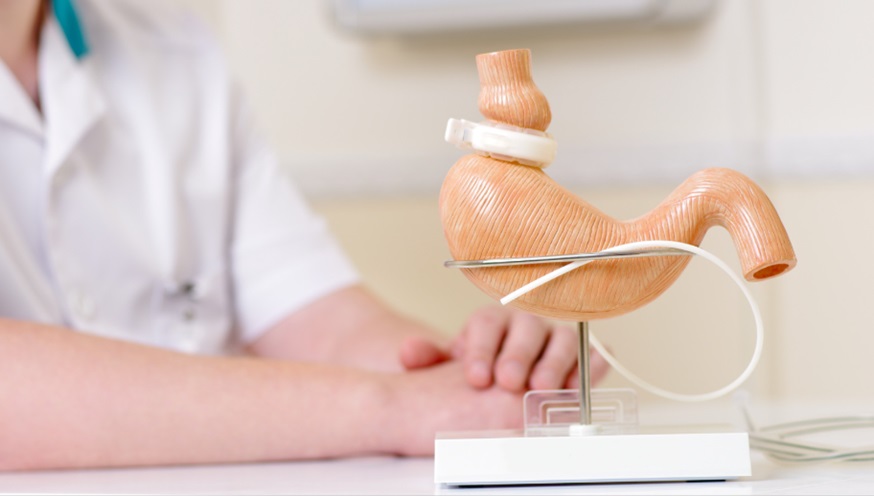
For women, bariatric surgery is more than just a tool for weight loss—it’s a gateway to a healthier life. Beyond shedding pounds, it can significantly impact hormone levels, often disrupted by obesity. This hormone shift can improve fertility, menstrual regularity, and overall well-being. A skilled bariatric surgeon in Tijuana can guide you through this transformational process, ensuring optimal results. However, understanding how hormonal changes occur and their effects is key to maximizing the benefits of surgery.
Hormonal imbalances often accompany significant weight changes, particularly in women. With proper preparation and care, the body’s hormonal responses post-surgery can be managed effectively, paving the way for long-term health improvements.
Understanding Hormonal Changes After Bariatric Surgery
Bariatric surgery triggers complex changes in the body, with hormones playing a critical role in the transformation. Many obese women suffer from imbalances in estrogen, progesterone, and insulin levels, leading to conditions like polycystic ovary syndrome (PCOS) or infertility. After surgery, substantial weight loss reduces hormone production in fatty tissue, restoring hormonal balance over time.
Various factors contribute to these changes, including altered gut hormone signals and improved insulin sensitivity. This is particularly beneficial for women struggling with irregular periods, as it helps regulate menstrual cycles. Understanding hormone changes after gastric sleeve is crucial for achieving balanced health and optimizing recovery post-surgery.
The Relationship Between Weight Loss and Fertility
Hormone shifts after bariatric surgery can have a profound effect on fertility. When body mass decreases, hormones like estrogen and testosterone return to more stable levels, improving ovarian function. These changes can be life-changing for women who previously faced challenges conceiving.
Additionally, changes in hormones that regulate hunger, such as leptin and ghrelin, may improve metabolic health further, aiding overall hormonal balance. However, giving the body ample time to adjust before trying to conceive is essential, as rapid weight loss can initially stress the system.
Potential Challenges with Hormonal Adjustments
While most women experience positive hormonal changes after bariatric surgery, others may face challenges during the transition. Testosterone levels might initially rise due to the breakdown of fat cells, leading to temporary acne or mood swings. These fluctuations, though temporary, can feel overwhelming.
Additionally, hormonal changes can affect bone density in some women, increasing the risk of osteoporosis. Maintaining adequate nutrient intake and supplements like calcium and vitamin D can mitigate such risks. For further understanding of the procedure’s impact, this resource on bariatric surgery and fertility provides valuable insights.
Long-Term Hormonal Benefits
Once the body adjusts, the long-term benefits of bariatric surgery on hormone regulation are significant. Many women report alleviation of PCOS symptoms, improved energy levels, and better mood stability: reproductive health enhancement and conditions like gestational diabetes risk decline during future pregnancies.
Women can sustain these hormonal benefits by adopting a balanced diet and maintaining a healthy lifestyle, ensuring short-term recovery and prolonged well-being.
Conclusion
Bariatric surgery is a powerful tool for transforming weight and overall hormonal health. For women dealing with imbalances caused by obesity, the procedure offers a chance to regain control over their bodies and hormones. While the road to recovery involves challenges, the benefits, from improved menstrual health to increased fertility, are worth pursuing. By staying informed about the relationship between weight loss and hormones and following a thoughtful post-surgery health plan, women can take charge of their hormonal health and future.
