

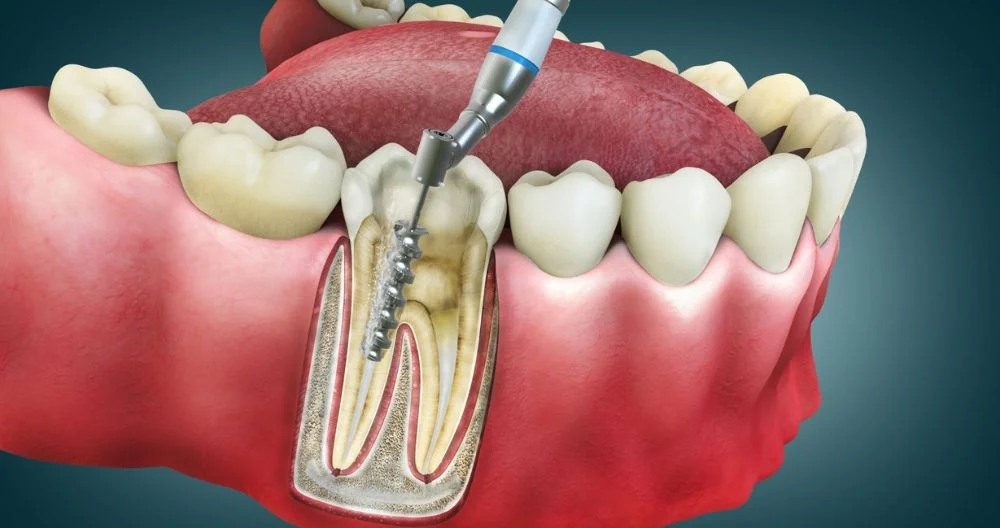
Teeth that have had root canal therapy can last a lifetime with the right maintenance. However, in certain cases, a treated tooth may not recover completely and may experience discomfort or develop an illness months or even years following treatment. Your tooth could be saved by performing a retreatment at a dental practice in Lansing, MI. See an endodontist about retreatment if you are experiencing pain or discomfort in a tooth that has already received treatment.
Signs of a Failed Root Canal Treatment
Here are a few symptoms of a failed root canal:
- The most noticeable sign is discomfort around the diseased tooth. In the days after receiving a root canal, it is typical to have discomfort in the treated tooth. Severe and persistent discomfort, however, indicates a problem.
- Another indication of an infection and maybe an abscess is bleeding or pus discharge.
- Swelling frequently indicates inflammation or illness. After a procedure, some swelling is typical and anticipated for a few days as you recuperate. If the swelling persists, though, it might indicate a persistent infection or inflammation.
What happens in root canal retreatment?
Your treatment choices will be first discussed with the endodontist. If retreatment is decided by your endodontist, the dentist will reopen your tooth to obtain the root canal filling material. To provide access to the root canals, complicated restorative materials—such as the crown, post, and core material—must often be dismantled and removed. Following the removal of the canal filling, the endodontist can thoroughly clean the canals and use magnification and lighting to carefully inspect the interior of your tooth. They can look for any atypical anatomy or extra canals that need to be treated.
The endodontist will fill and seal the canals after cleaning them, then temporarily fill the tooth. Endodontic surgery could be recommended by your endodontist if the canals are very thin or clogged. An incision must be made during this procedure to close the opposite end of the root. You must see your dentist as soon as possible to have a new crown or other restoration set on the tooth to safeguard it and return it to its full function when your endodontist has finished retreatment. A failed root canal might be terrifying, and you might even worry about losing your tooth. If caught early enough, though, we can restore your teeth.
It’s important to know even though over 95% of root canal treatments go smoothly. Keep an eye out for signs of a root canal failure both throughout the healing process and afterward.
