

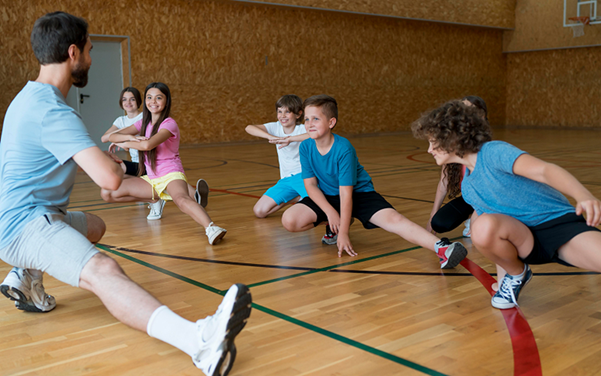
Building healthy habits begins earlier than most people think. For many families today, the idea of signing up for gym classes for kids is about giving them a strong foundation for movement, confidence, discipline, and overall development. As structured physical programmes become more popular among parents, the focus has expanded to include gym classes for toddlers in Singapore to support physical literacy from the earliest years. These sessions, designed with safety and enjoyment at their core, help little ones discover their abilities in an environment that feels playful rather than intimidating.
What Parents Start Noticing First
Success in children’s development rarely appears as a single milestone. One of the earliest signs is improved confidence. Many children walk into their first session feeling shy, unsure, or hesitant around new surroundings. Gym classes for kids encourage participation without pressure, allowing children to attempt new movements at their own pace. Over time, their willingness to try grows, and so does their sense of achievement.
Another early marker is improved coordination. Young children who engage in structured physical activity develop motor skills more efficiently than those whose movement is entirely unstructured. Simple routines help children connect movement with control.
Social interaction is another breakthrough. Many children are still learning how to share space, communicate needs, and participate cooperatively. In these group sessions, they begin to understand turn-taking, encouragement, and teamwork.
Parents also notice an unexpected benefit: improved sleep. Moderate daily physical activity supports better sleep quality in children. After attending gym classes for kids, many parents report that their child falls asleep more easily, stays asleep longer, or wakes up in a better mood.
How Physical Play Translates Into Real-Life Skills
Physical play is one of the most effective ways for children to build neural pathways. Movements that involve crossing the midline, weight shifting, and bilateral coordination stimulate areas of the brain associated with problem-solving, memory, and focus. This connection between physical development and cognitive growth is why early childhood experts consistently advocate for movement-rich environments.
Structured gym programmes also promote resilience. When children attempt an activity, struggle with it, and try again, they learn persistence in a low-pressure setting. These micro-experiences of failure and success build emotional strength, which becomes valuable later in academics, sports, and social situations.
Even posture and core strength are enhanced through consistent attendance. Stronger core muscles help children sit upright longer, reduce fatigue during writing or reading tasks, and prevent early musculoskeletal strain. Coaches trained in early childhood movement education know how to introduce these skills safely without overwhelming the child.
The Hidden Value of a Structured Environment
One of the reasons these programmes stand out is their commitment to structured routines. Predictability helps children feel safe, and safety frees them to explore movement more confidently. Parents often observe that their children become more attentive and better at following multi-step instructions after attending classes consistently.
This structured approach also supports emotional development. When a child enters a familiar environment each week, they begin to anticipate what comes next. This anticipation helps reduce anxiety and encourages independence.
Gym classes for kids can be helpful for children with high energy levels. This redirection can support emotional regulation and reduce frustration. For toddlers, these spaces become an early introduction to discipline without harshness.
Choosing the Right Programme for Your Child
Finding a suitable programme requires looking beyond convenience. Parents should consider whether the environment feels welcoming, whether instructors have experience working with children, and whether the activities are developmentally appropriate. A good programme focuses on progression, allowing each child to grow at their own pace.
Observing a class beforehand can help parents evaluate fit. Look for children who are engaged, instructors who communicate clearly, and activities that encourage age-appropriate risk-taking. Programmes like gym classes for toddlers in Singapore emphasise safety measures that allow exploration while minimising hazards.
The best-fit classes are those where your child feels motivated and comfortable. Children thrive in environments where they receive encouragement, experience predictability, and feel valued for their effort rather than performance.
The Foundation You Set Today Shapes Tomorrow
Gym classes for kids do far more than teach children how to jump, balance, or climb. They help create confident movers, better communicators, and resilient learners. For toddlers, these sessions become an early introduction to independence and physical awareness, offering benefits that extend into childhood and beyond. These programmes offer a healthy alternative that supports whole-child development. By recognising the early signs of success and choosing a supportive environment, parents give their children a foundation that will keep unfolding as they grow.
Ready to see your child grow stronger, braver, and more confident through movement? Enquire at the BearyFun Gym today and discover a space where active learning begins.
